






GM Watch
  • Main Menu
    • Home
    • News
      • Newsletter subscription
      • Daily Digest
      • News Reviews
      • News Languages
    • Articles
      • GM Myth Makers
      • GM Reports
      • GM Quotes
      • GM Myths
      • Non-GM successes
      • GM Firms
        • Monsanto: a history
        • Monsanto: resources
        • Bayer: a history
        • Bayer: resources
    • Videos
      • Latest Videos
      • Must see videos
      • Agriculture videos
      • Labeling videos
      • Animals videos
      • Corporations videos
      • Corporate takeover videos
      • Contamination videos
      • Latin America videos
      • India videos
      • Asia videos
      • Food safety videos
      • Songs videos
      • Protests videos
      • Biofuel myths videos
      • Index of GM crops and foods
      • Index of speakers
      • Health Effects
    • Contact
    • About
    • Donations
News and comment on genetically modified foods and their associated pesticides    
  • News
    • Latest News
    • Newsletter subscription
    • News Reviews
    • News Languages
      • Notícias em Português
      • Nieuws in het Nederlands
      • Nachrichten in Deutsch
    • Archive
      • 2021 articles
      • 2020 articles
      • 2019 articles
      • 2018 articles
      • 2017 articles
      • 2016 articles
      • 2015 articles
      • 2014 articles
      • 2013 articles
      • 2012 articles
      • 2011 articles
      • 2010 articles
      • 2009 articles
      • 2008 articles
      • 2007 articles
      • 2006 articles
      • 2005 articles
      • 2004 articles
      • 2003 articles
      • 2002 articles
      • 2001 articles
      • 2000 articles
  • Articles
    • GM Myth Makers
    • GM Reports
    • GM Quotes
    • GM Myths
    • Non-GM successes
    • GM Firms
      • Monsanto: a history
      • Monsanto: resources
      • Bayer: a history
      • Bayer: resources
  • Donations
  • Videos
    • Index of speakers
    • Glyphosate Videos
    • Latest Videos
    • Must see videos
    • Health Effects
    • Agriculture videos
    • Labeling videos
    • Animals videos
    • Corporations videos
    • Corporate takeover videos
    • Contamination videos
    • Latin America videos
    • India videos
    • Asia videos
    • Food safety videos
    • Songs videos
    • Protests videos
    • Biofuel myths videos
    • Index of GM crops and foods
  • Contact
  • About

LATEST NEWS

  • Illegal GMO rice: Products recalled around the world

  • New GE wheat to be tested in UK field trials

  • Groups slam Commission plans to deregulate new GMOs

  • Tracking genetically modified animals

  • Experimental GM wheat trial goes ahead in UK

GMWatch Facebook cornfield banner

SCIENCE SUPPORTS REGULATION OF GENE EDITING

Plant tissue cultures

GENE EDITING: UNEXPECTED OUTCOMES AND RISKS

Damaged DNA on fire

GENE EDITING MYTHS AND REALITY

A guide through the smokescreen

Gene Editing Myths and Reality

LATEST VIDEOS

  • Herbicide-tolerant/Bt cotton chaos in Indian fields
  • Seed keepers and truth tellers: From the frontlines of GM agriculture
  • Myths and Truths of Gene-Edited Foods

News Menu

  • Latest News
  • News Reviews
  • Archive
  • Languages

Please support GMWatch

Donations

You can donate via Paypal or credit/debit card.

Some of you have opted to give a regular donation. This is greatly appreciated as it helps place us on a more stable financial basis. Thank you for your support!

Farmer suicides in rainfed areas of India correlate with Bt cotton adoption

Details
Published: 19 June 2015
Twitter

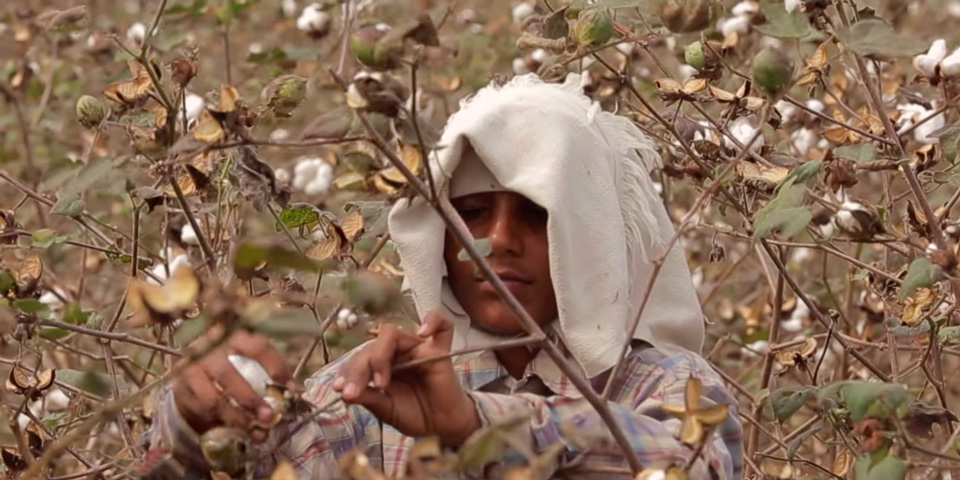
Indian cotton picker

New study deconstructs hype around GM Bt cotton; shows widespread problems with the technology

An important new paper by respected researchers deconstructs the false hype around Bt insecticidal cotton in India. The study shows that:
* Bt cotton, introduced in 2002 to control bollworm and other pests, is grown on more than 90% of the cotton area
* By 2013 insecticide use was high – back to 2000 levels (before the introduction of Bt cotton)
* Yields have plateaued nationally, and farmer suicides have increased in some areas
* Pink bollworm causes damage in irrigated cotton, but not in rainfed cotton unless infested from irrigated fields. Therefore use of Bt cotton seed and insecticide in rainfed cotton is questionable
* Bt cotton may be economic in irrigated cotton, whereas costs of Bt seed and insecticide increase the risk of farmer bankruptcy in low-yield rainfed cotton
* Inability to use saved seed and inadequate agronomic information trap cotton farmers on biotechnology and insecticide treadmills
* Annual suicide rates in rainfed areas are inversely related to farm size and yield, and directly related to increases in Bt cotton adoption (i.e., costs)
* High-density short-season non-GM cottons could increase yields and reduce input costs in irrigated and rainfed cotton
* Policy makers need to conduct a holistic analysis before new technologies are implemented in agricultural development.

The lead researcher on the study, Andrew Paul Gutierrez, is a professor at UC Berkeley and an expert in agroecological systems as well as GM crops.

Deconstructing Indian cotton: weather, yields, and suicides

Andrew Paul Gutierrez, Luigi Ponti, Hans R Herren, Johann Baumgärtner and Peter E Kenmore
Environmental Sciences Europe (2015) 27:12
http://www.enveurope.com/content/27/1/12/abstract (open access)

Abstract

Background:
Cotton with coevolving pests has been grown in India more than 5000 years. Hybrid cotton was introduced in the 1970s with increases in fertilizer and in insecticide use against pink bollworm that caused outbreaks of bollworm. Hybrid Bt cotton, introduced in 2002 to control bollworm and other lepidopteran pests, is grown on more than 90% of the cotton area. Despite initial declines, year 2013 insecticide use is at 2000 levels, yields plateaued nationally, and farmer suicides increased in some areas. Biological modeling of the pre-1970s cotton/pink bollworm system was used to examine the need for Bt cotton, conditions for its economic viability, and linkage to farmer suicides.

Results:
Yields in rainfed cotton depend on timing, distribution, and quantity of monsoon rains. Pink bollworm causes damage in irrigated cotton, but not in rainfed cotton unless infested from irrigated fields. Use of Bt cotton seed and insecticide in rainfed cotton is questionable.

Conclusions:
Bt cotton may be economic in irrigated cotton, whereas costs of Bt seed and insecticide increase the risk of farmer bankruptcy in low-yield rainfed cotton. Inability to use saved seed and inadequate agronomic information trap cotton farmers on biotechnology and insecticide treadmills. Annual suicide rates in rainfed areas are inversely related to farm size and yield, and directly related to increases in Bt cotton adoption (i.e., costs). High-density short-season cottons could increase yields and reduce input costs in irrigated and rainfed cotton. Policy makers need holistic analysis before new technologies are implemented in agricultural development.

Menu

Home

News

News Archive

News Reviews

Videos

Articles

GM Myth Makers

GM Reports

GM Myths

GM Quotes

How Donations Will Help Us

Contacts

Contact Us

About

Facebook

Twitter

RSS

Content 1999 - 2021 GMWatch.
Web Development By SCS Web Design