








 ARCHE NOAH: A dark day for diversity and freedom of choice
The European Parliament has voted for a wide-reaching deregulation of New Genomic Techniques (NGTs). There was no majority for amendments stopping patents on conventionally classically bred plants or NGT plants. “Today’s vote is a missed opportunity to protect Europe’s farmers, breeders and food system from an expansion of seed patents. With this result, Parliament has failed to draw a clear line against corporate control over genetic resources,” comments Paul Grabenberger, seed policy expert at ARCHE NOAH.
In original position on the NGT file, adopted in 2024, the European Parliament demanded the labelling of NGT products and no patents on seeds. Today, MEPs approved a regulation that fulfils neither of these demands. Amendments that would have limited seed patents failed to find a majority. “Unfortunately, many MEPs have bowed to the pressure from the agro‑chemical industry. It is deeply concerning that a majority of MEPs rejected an amendment that would have helped secure a patent-free space for GMO-free agriculture,” said Paul Grabenberger.
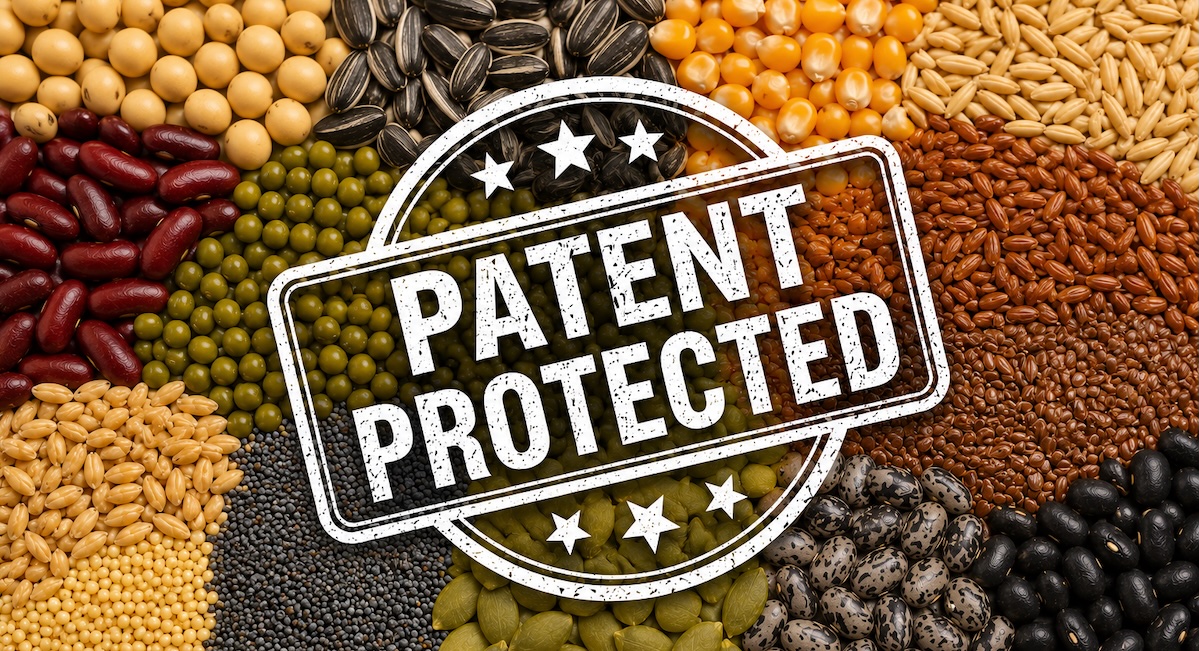
With its decision, the European Parliament is turning against Europe’s farmers and its own voters. Farmers face massive legal uncertainty due to patents on seeds. 80 percent of voters clearly reject patents on seeds, as shown by a representative study commissioned by the organisation “No Patents on Seeds!”. “Patented seeds could now become the norm in Europe. Experience from the United States shows that this fundamentally changes markets: large corporations secure monopoly rights, for instance on key traits such as virus resistance, and push medium-sized breeders out of the market,” comments Paul Grabenberger. Worldwide, there are already around 2,000 patent applications for NGT plants. Patents on classically bred plants are also being granted by the European Patent Office – a recent example is a patent by KWS on maize with improved digestibility, which covers the seeds, plants and sileage. Patents block innovation in plant breeding by restricting access to the biological material needed to develop new varieties.
“We will not give up. This is about nothing less than control over our food. There is lots of legal uncertainty in the current text and Member States should consider legal action,” says Grabenberger. ARCHE NOAH also calls on the European Commission to put forward proposals to change the EU Biotech Directive. Its own study on patents, published in November 2025, warns that patents on NGT plants threaten the future of independent plant breeding in Europe. "Commissioner Séjourné has promised to address the patent issue after the NGT vote. Now the European Commission must deliver on this commitment and make a proposal to change the EU Biotech Directive to ensure that patents do not reshape Europe’s seed market to the detriment of farmers and breeders,” concludes Grabenberger.
Survey on patents on plants
European Commission study on NGT patents
Common myths on NGTs and patents debunked
Source: ARCHE NOAH