



42 researchers object to the use of the university’s name in submission supporting the new GMOs deregulation
The European Commission – the executive arm of the European Union – recently ran a consultation on the regulation of so-called new genomic techniques (NGTs), which create new GMOs through gene editing techniques like CRISPR-Cas9. This NGT Regulation splits NGT (i.e. gene-edited) plants into two distinct pathways based on the apparent complexity and nature of their genetic modifications – NGT1 and NGT2. Controversially, it effectively deregulates those that fall into the first category, exempting them from regulatory oversight and GMO labelling, based on the claim that they could have arisen from conventional breeding.
One of the submissions made in the Commission’s consultation came from Wageningen University & Research (WUR). The submission bearing WUR’s name supported the NGT Regulation – and it was made in the name of the whole university.
Now it appears that not all researchers of WUR agree: 42 of them sent a letter to the executive board of the university objecting to the submission’s implication that all WUR scientists share the opinion expressed in it. They state that WUR traditionally has a wide diversity of opinions on controversial subjects like this.
The researchers ask the executive board to:
1. Review the contribution submitted to the European Commission and consider revising it so that it does not present a particular substantive position on NGT regulation as the position of Wageningen University & Research as a whole. Where appropriate, technical expertise or recommendations could instead be attributed to the researchers or research groups responsible for them.
2. Clarify how this contribution was developed and authorised, including what procedures apply when statements on ongoing regulatory or policy processes are submitted in the name of WUR.
3. Initiate a university-wide discussion on the use of WUR’s institutional voice in contested policy debates. The researchers believe that clear principles are needed to distinguish contributions made by individual academics or research groups from positions formally taken by WUR, and to determine when consultation within the academic community is appropriate.
The researchers’ letter is the subject of an article posted on the WUR website Resource, titled “WUR should not speak on behalf of everyone on the issue of gene editing”.
Plant researcher and co-signatory Benedikt Haug told Resource: “Our objection isn’t about the content of the regulation. For us, it’s not about whether you’re for or against new genomic techniques. Opinions on this vary widely within WUR, and that is precisely one of its strengths. But when the university as an institution takes a stance, policymakers and the public assume that this represents the position of the entire WUR. And in our view, that is not the case.”
GMWatch submits evidence to the consultation
GMWatch and Prof Michael Antoniou also made a submission to the Commission's consultation.
The submission detailed the molecular analyses that should be performed in order to ensure that claims of equivalence between an NGT1 plant and what could occur in conventional breeding have some scientific basis. The analyses are:
* Whole genome sequencing (long-read) to reveal the full spectrum of DNA changes brought about by the gene editing and associated processes (such as tissue culture and the GM transformation procedure)
* Transcriptomics, to reveal changes in global patterns of gene expression
* Proteomics, to reveal changes in the protein profile
* Metabolomics, to reveal changes in the metabolite profile.
Such analyses would fulfil the aim of the Regulation to correctly classify plants as NGT1 and would remove regulatory uncertainty for developers. They would also enable regulators to decide whether an NGT1 plant has “significantly changed composition or structure that affects the nutritional value, metabolism or level of undesirable substances of the food” and therefore falls under the Novel Food Regulation.
Co-author of the submission, GMWatch co-director Claire Robinson, said: “It’s clear what needs to be done to begin to ensure the safety of these new GM plants for consumers and the environment – and it can be done relatively easily, since the necessary analytical tools are widely available. The Commission should establish a standard for GM NGT plants that is legally and scientifically defensible.”
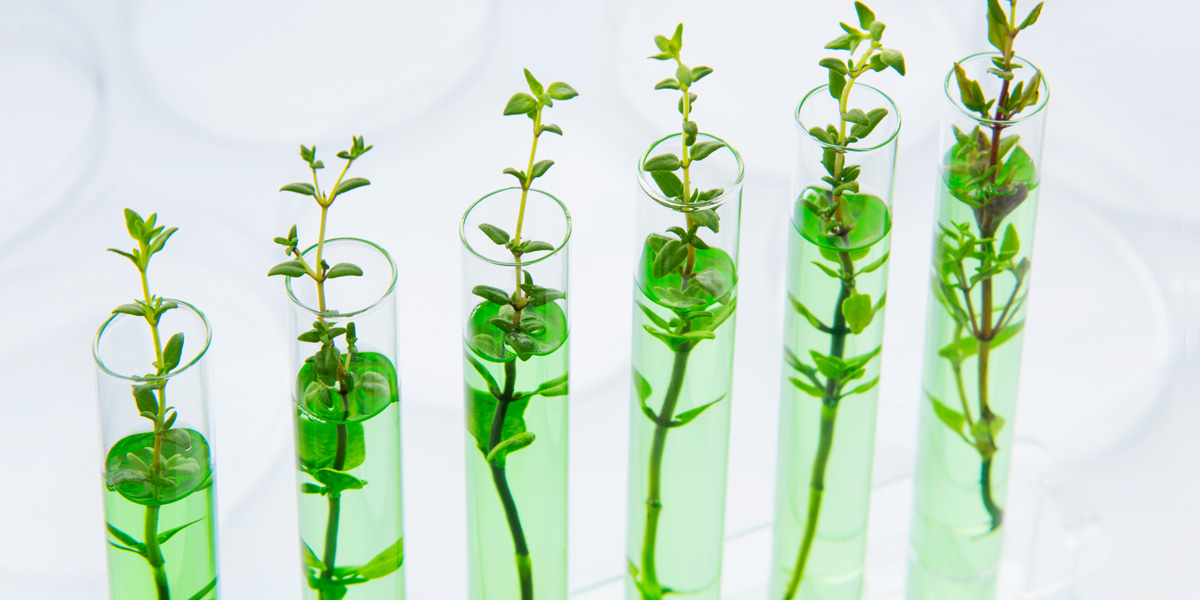
Image: depositphotos.com (licensed purchase)