




In a study in rats, when pregnant mothers and their descendants were exposed to doses considered safe by regulatory agencies, adverse effects were seen in offspring
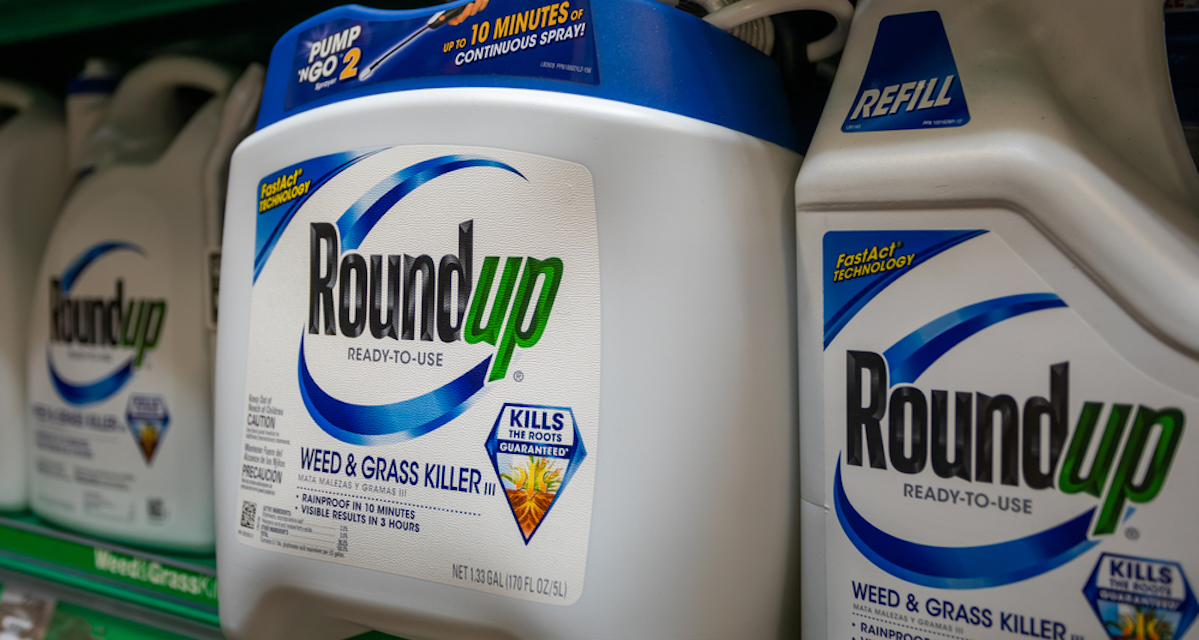
In a toxicity study conducted at the Ramazzini Institute in Italy and currently published in pre-print form (pending completion of peer review), rats were exposed to glyphosate or two glyphosate-based herbicides (Roundup Bioflow and Ranger Pro), starting in pregnancy and continuing over the next two generations, up to when the final generation was one year of age.
The lowest dose was the EU acceptable daily intake (the dose that EU regulators think we can be exposed to daily for all our lives and suffer no ill effects) and the highest dose was the maximum level at which regulators claim there were no ill effects in industry tests on rats or other animals; the middle dose was between those two levels.
Neurobehavioral performance was assessed in the final generation at one year of age.
Findings
The findings show that all three compounds tested altered behavioural reactivity and open field exploration consistent with increased anxiety in a dose-response fashion, though the Roundup Bioflow and/or Ranger Pro formulations caused greater anxiety-like behaviours than glyphosate alone. When sex-based differences were present, males were more affected than females.
High anxiety and atypical reactivity to unfamiliar environments are common features observed in people with Autism Spectrum Disorder (ASD). And this is far from the first research to suggest a correlation between glyphosate and/or various glyphosate-based herbicides (GBH) and ASD.
Regulatory implications
The authors of the new study write: "These effects, which were observed at target doses currently considered 'safe' by regulatory agencies, underscore the importance of adjuvants and surfactants in commercial glyphosate formulations in enhancing their toxicological profile. Altogether, these findings raise concern that current regulatory thresholds may not be protective against neurobehavioral harm caused by GBH formulations across generations."
The authors conclude: "The finding that commercial GBH formulations consistently produce larger or broader neurobehavioral effects than glyphosate alone at equivalent glyphosate concentrations underscores the toxicological importance of adjuvant components in real-world herbicide formulations and suggests that risk assessments based solely on glyphosate may underestimate the neurobehavioral risk of actual GBHs exposure to humans. Collectively, these findings substantiate growing concerns about the neurobehavioral safety of glyphosate-based herbicides, including autism spectrum disorders, and the adequacy of current regulatory thresholds to protect human populations."
They also recommend including such toxicity studies in regulatory evaluations of GBHs. By assessing the generational effects of ongoing exposure – including exposure of the foetus in the uterus – studies of this type can examine the effects of a chemical on brain development and behaviour.
Image: christianthiel.net on Shutterstock (licensed purchase)