
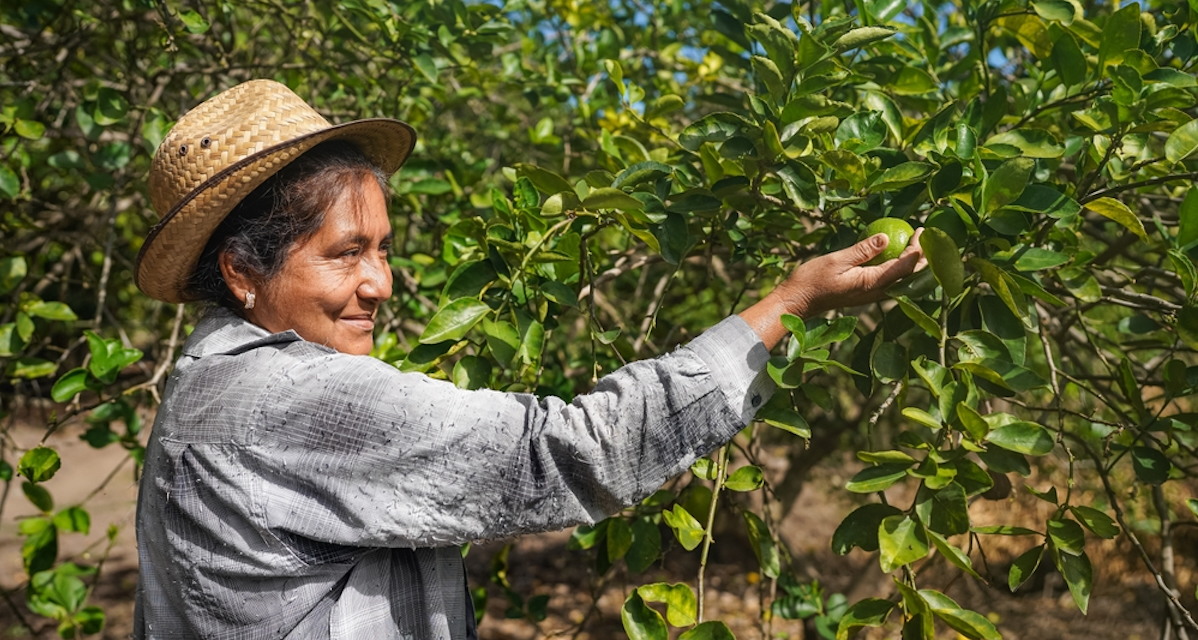
Glyphosate-based herbicides cause neurobehavioral alterations, suggesting link to autism
- Details

In a study in rats, when pregnant mothers and their descendants were exposed to doses considered safe by regulatory agencies, adverse effects were seen in offspring
Gene therapy trial characterised by hype and hubris ends in a child's death
- Details
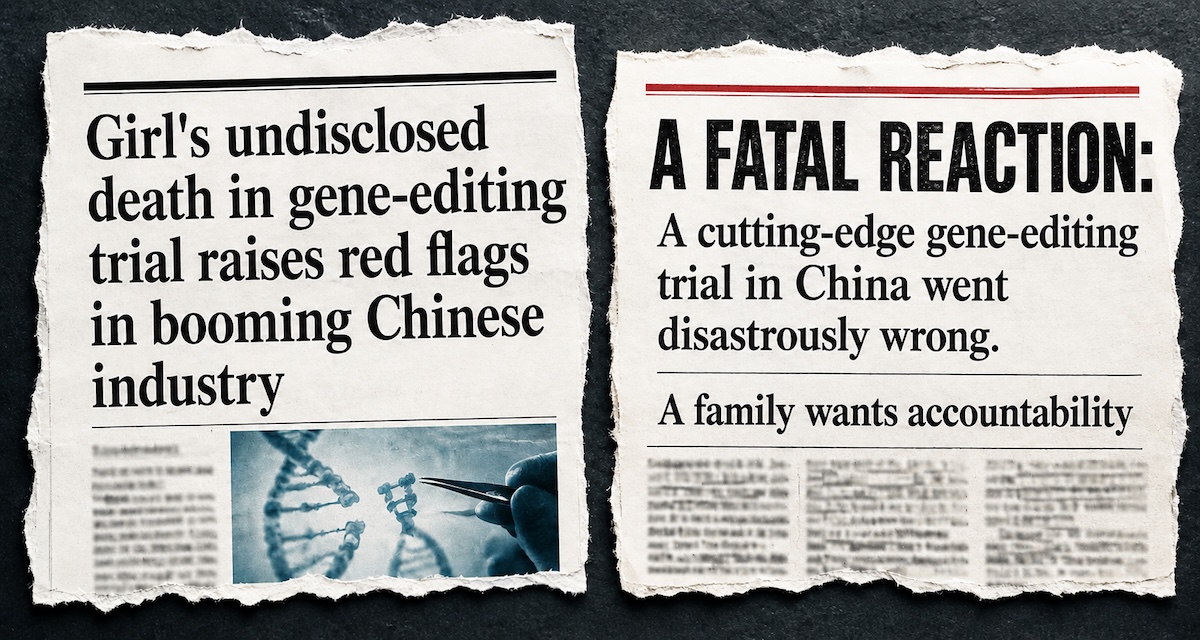
Tragic incident begs questions about safety and ethics violations in the wider field of genetic engineering. Report: Claire Robinson and Jonathan Matthews
Hypermorphing: Minor gene edits with major effects – and major risks
- Details
 New gene editing technique can easily circumvent risk assessment, thanks to the EU's lax new rule, says Swiss GMO-free organisation SAG
Slack messages show authors of key COVID-19 origins paper held private doubts
- Details
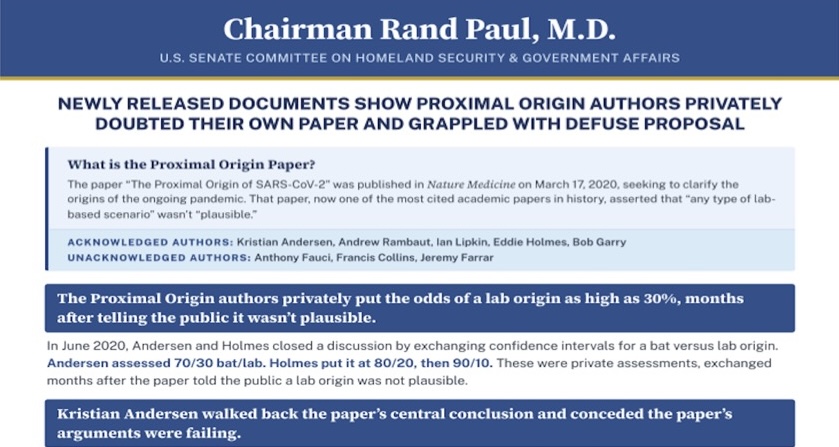 Virologists told the public the virus could not have come from a lab – but privately knew it was plausible
Critics say Argentine GM HB4 wheat is a “failure” and cannot withstand drought
- Details

Award presented to GM wheat genetic engineer Raquel Chan in Paris has reignited doubts about the crop and the technology. Report: Claire Robinson
Families suffering from pesticide exposure demand better health protection, not deregulation
- Details
 EU lawmakers must “put public health first and reject any attempt to weaken Europe’s protections from pesticides”
Philippines: MASIPAG challenges approval of GM rice
- Details
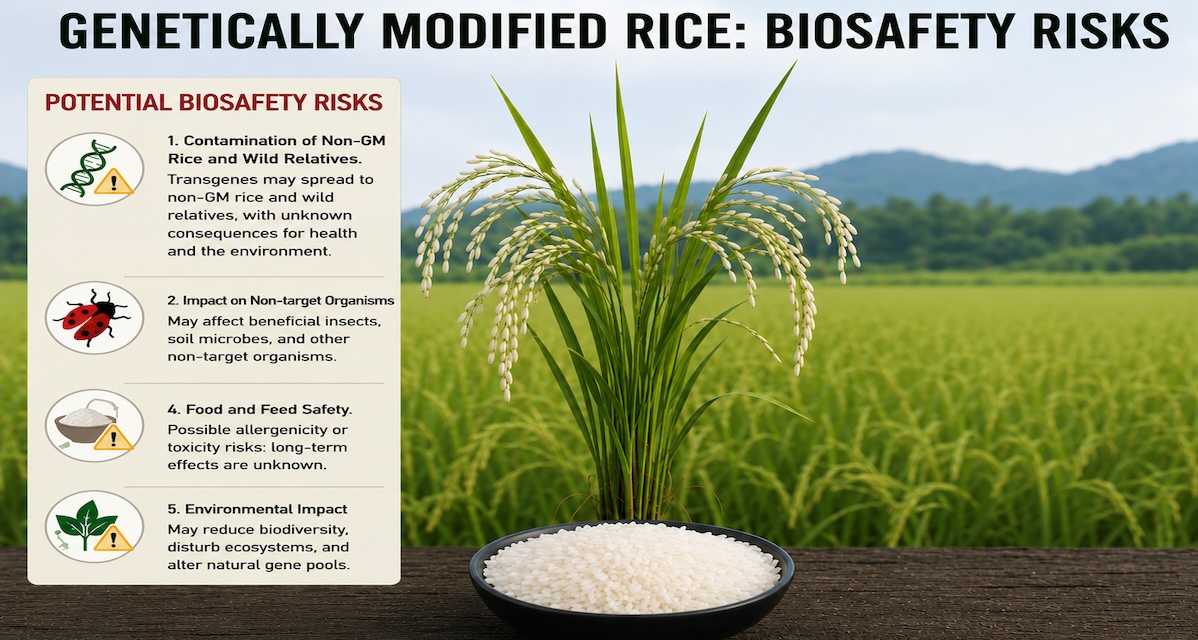
Calls for suspension amid judicial and public concerns
Roundup may affect hormones tied to pregnancy and fetal development, new research finds
- Details
 Higher glyphosate levels were linked to hormonal shifts in a study of pregnant women
The government is negligent over glyphosate, says leading professor
- Details
 Michael Antoniou, Professor Emeritus at King’s College London, is on a mission to educate people about glyphosate and the corruptness of the regulating system. By Nick Easen
New GMOs deregulated: A betrayal of farmers, consumers and science itself
- Details
Further reactions to the EU deregulation of new GMOs
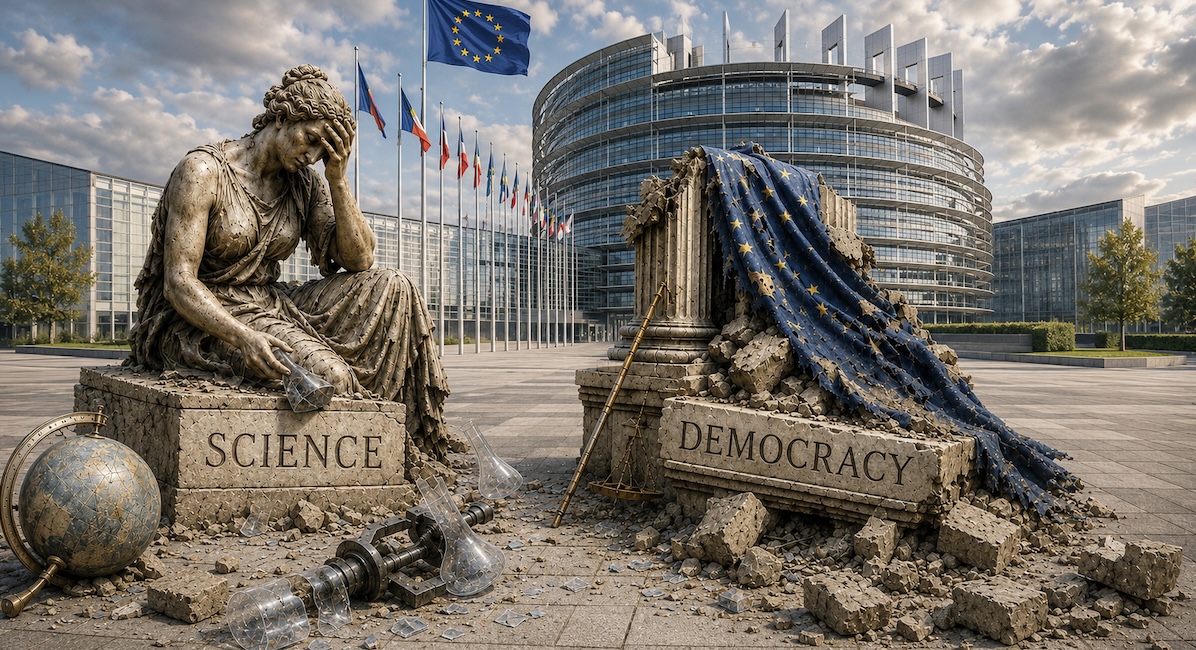
NGT vote: European Parliament opens the floodgates to a wave of patents
- Details
 ARCHE NOAH: A dark day for diversity and freedom of choice
Reactions to EU deregulation of new GMOs
- Details
EU lawmakers abolish minimum rights for consumers, breeders, food sector
 Important fundraiser
New GMOs: Will EU lawmakers choose people and nature protections or absolute faith in industry promises?
- Details

There’s no evidence that deregulation will deliver climate resilience. By Friends of the Earth Europe
Victory! UK High Court finds government failed to properly assess gene editing deregulation
- Details
 Government failed to investigate consequences of its decision to deregulate gene-edited organisms before removing longstanding safeguards relating to transparency, traceability, labelling and regulatory oversight
Synbio milk nutritionally inferior to cow’s milk; contains 93 uncharacterised fungal metabolites and 236 fungal proteins
- Details
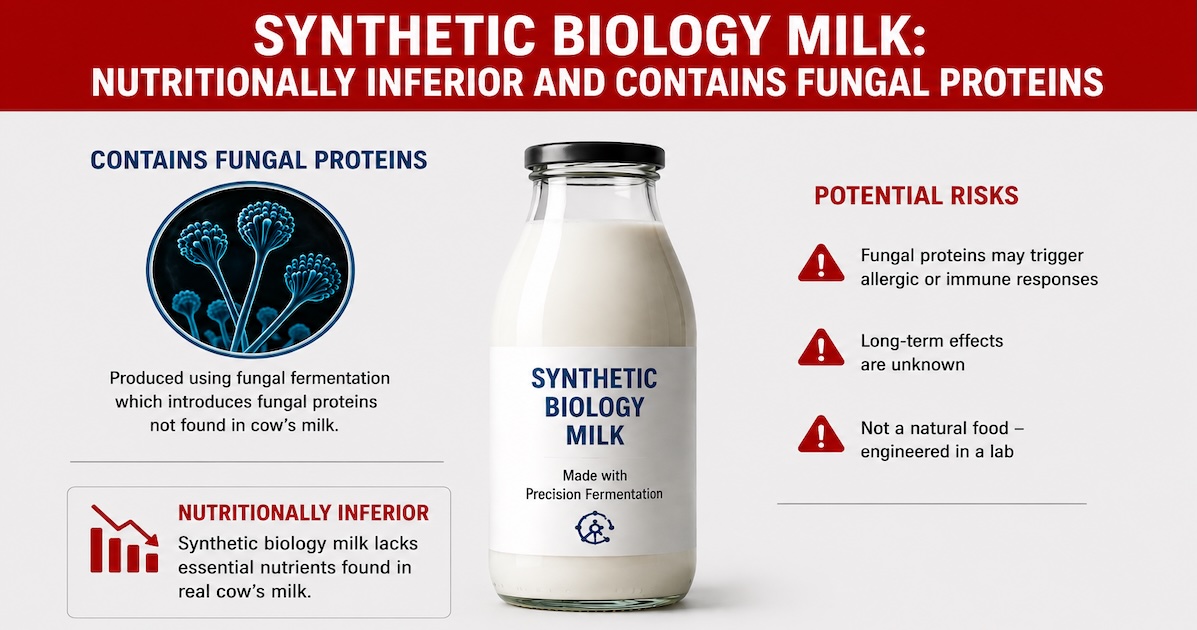
Important lab findings pass peer review. Report: Claire Robinson and Jonathan Matthews
GMO/NGT: Memo from French Embassy in the United States ignored by the government
- Details
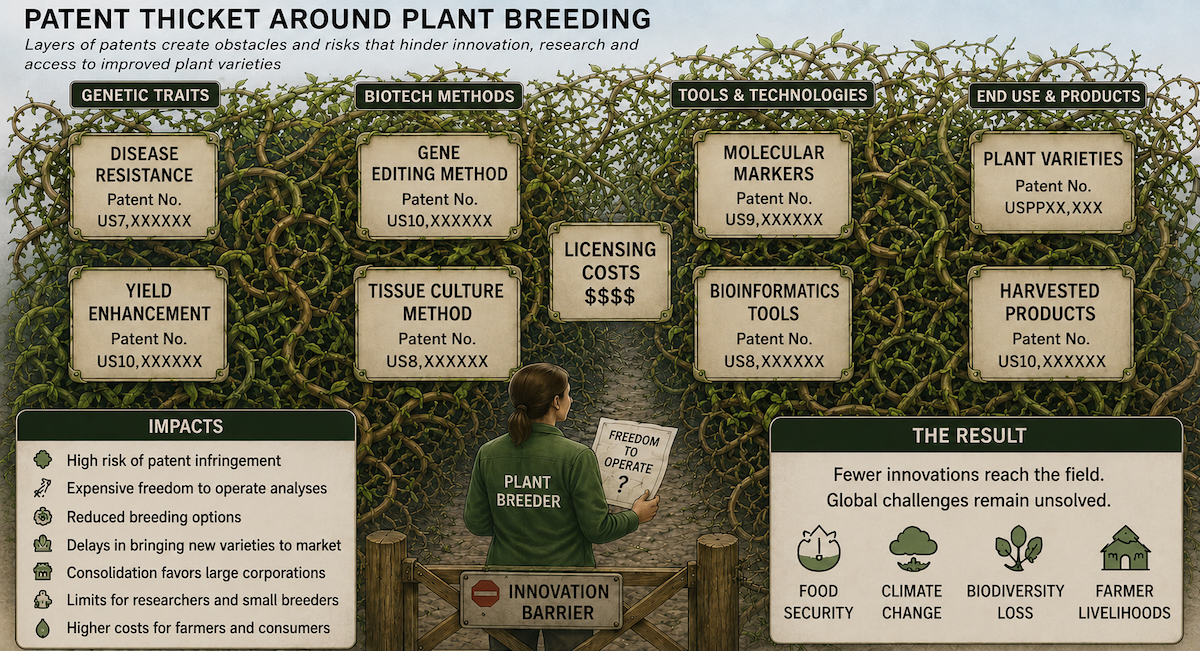 Memo reveals how GMO deregulation will trap plant breeding and innovation in a patent thicket controlled by a few multinationals and institutions – and won't solve food and farming problems. Report: Eric MEUNIER of Inf'OGM
Geneticist explains why new EU bill on genetically modified foods should not be passed
- Details

Professor Michael Antoniou is interviewed by Kelly Sokou
Groups take legal action against authorisation of gene-silencing pesticide
- Details

Belgium has granted permission for emergency use of an RNAi pesticide even though it's not approved at EU level
The deregulation of new genomic techniques is biologically nonsensical
- Details
Scientists explain that gene editing isn’t precise and gene-edited plants are not ‘natural-like’
New report highlights gap between “new GMO” hype and global market reality
- Details
Virtually no market uptake and unproven sustainability benefits contrast with rapid regulatory change. Report: ENGA
Greek agronomists’ association slams EU GMO deregulation plans
- Details

Deregulation proposal favours political and economic objectives at the expense of the precautionary principle and the public interest, say agriculture experts
- Public event in Athens, Greece: Experts warn on EU plans on new GMOs
- European food retailers call for labelling and traceability of new GMOs, protection from patent claims
- Don’t look, don’t find: UK government blinds itself to risks of new GMOs
- Herbicide cocktail used in GMO agriculture causes leaky gut
- The new fight against GMOs – where is everybody?
Page 1 of 2