



Summary by Third World Network
A new study in Mexico confirms widespread transgene contamination of wild cotton outside areas where the genetically modified (GM) cotton varieties were released, and years after initial commercialisation. The high rates of contamination are leading to unintended and unexpected adverse impacts, including altered biotic interactions, raising novel ecological and evolutionary implications. Crucially, it raises key concerns regarding the implications of releasing GMOs within centres of origin for the species.
The study detected the presence of transgenes encoding for insecticidal ‘Bt’ proteins [and/or] glyphosate tolerance in over 40% of samples, with many carrying both. In one region, over 50% of samples tested positive for transgenes. Of particular concern is that some samples showed evidence of recombination events, where transgenes segregate during breeding to result in the next generation carrying novel genetic configurations that were not previously evaluated during risk assessment. To investigate potential ecological impacts, the study also assessed ant interactions associated with wild versus genetically-contaminated plants, finding reduced species richness in the contaminated plants carrying transgenes.
Such findings raise acute concerns regarding the release of GM crops into centres of origin for the target species. The GM cotton commercialised in Mexico, is the same species as the wild relative, and thus they are able to interbreed. As stated in the study:
“This self-sustaining dynamic, exclusive to centers of origin where crop-wild compatibility is complete, must be explicitly incorporated into future environmental risk assessments and damage evaluations.” Strengthening assessments to consider centres of origin, long-term and cumulative impacts, as well as fully addressing heightened mechanisms for gene flow is urgently warranted.
___
Transgene introgression into wild cotton populations generates long-term genetic and ecological effects in a center of origin
Valeria Vázquez-Barrios, Ian A.E. Butler, Patricia Rojas, Ana Wegier
Environmental Pollution 405, Article no 128502, 15 September 2026
https://doi.org/10.1016/j.envpol.2026.128502
Abstract
The environmental persistence of genetically modified (GM) traits beyond authorized cultivation areas remains poorly understood, particularly in centers of origin of crop species. Here, we evaluated the presence, genetic configuration, and ecological effects of transgenes introgressed into two sites of the Yucatan Peninsula Metapopulation of Gossypium hirsutum in Mexico. Using molecular detection of GM traits combined with field-based ecological sampling, we found that 47.2% of sampled individuals carried at least one transgene, with cp4-epsps being the most frequently detected modifications (20.8%), followed by cry genes (13.9%) and stacked events (12.5%). Notably, we detected the isolated presence of cry2Ab, suggesting post-introgression segregation and recombination of commercial events under natural conditions. We also assessed indirect ecological effects associated with transgenes by analyzing ant abundance and species richness on wild cotton plants. Ant abundance differed significantly between transgene-positive and transgene-negative plants, with consistent but non-significant trends for species richness, indicating that introgressed GM traits can modify biotic interactions with non-target organisms in natural environments. These effects were detected outside authorized release areas and years after initial commercial deployment of GM cotton. Our findings demonstrate that transgene introgression into wild cotton populations can generate genetically novel configurations and long-term ecological effects not accounted for in current biosafety and environmental risk assessment frameworks, which focus on event stability under controlled conditions and assume limited gene flow. We argue that risk assessments should incorporate post-release evolutionary dynamics and indirect ecological interactions to evaluate the long-term environmental consequences of GM crop cultivation in centers of origin.
Source of summary: Third World Network
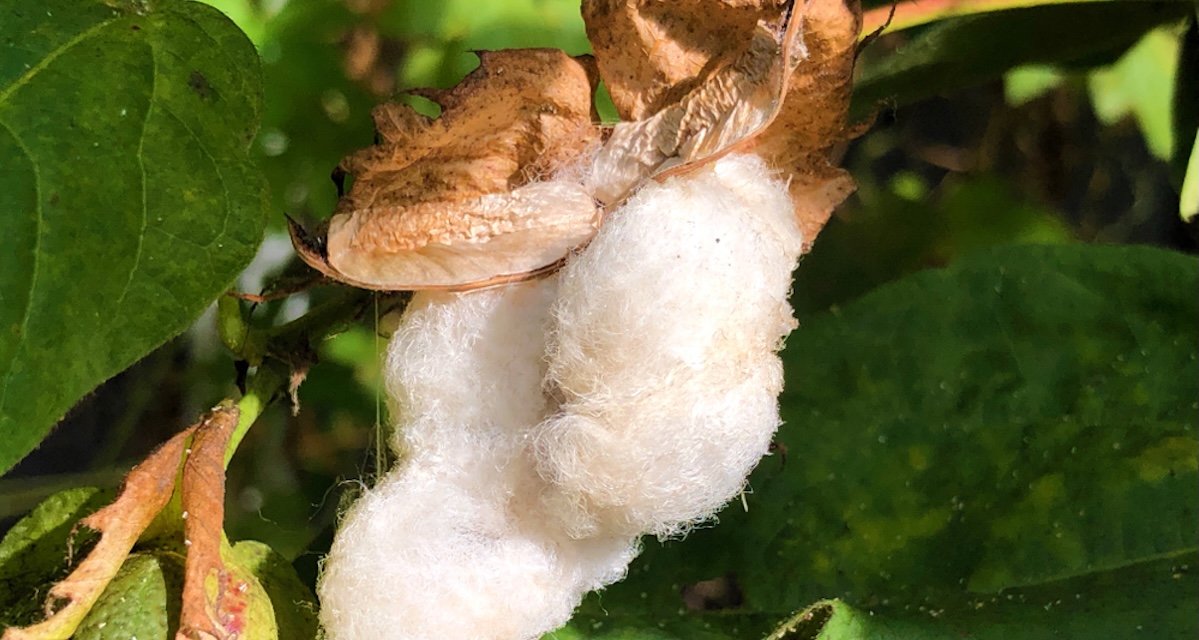
Image: Shutterstock (licensed purchase)